
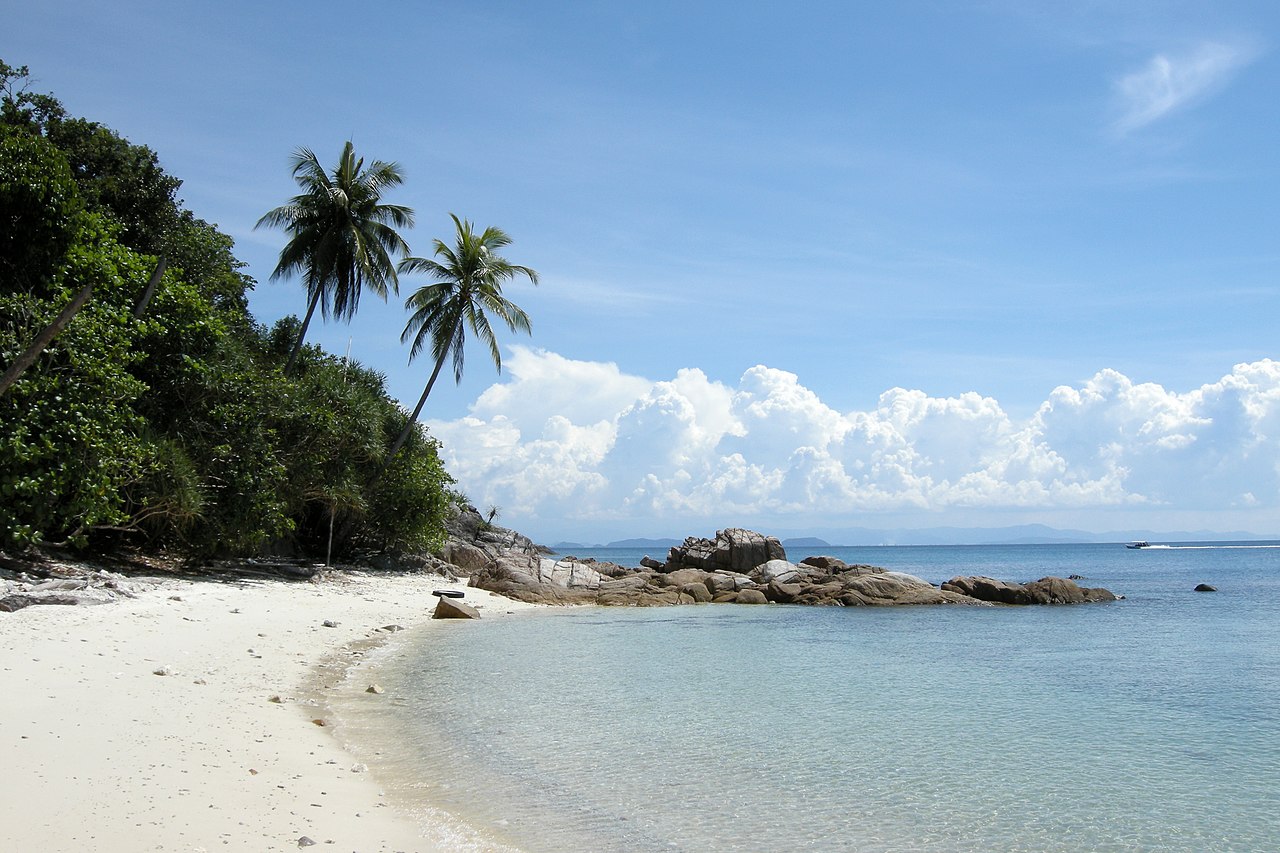
Light behaves differently in the tropics. Near the equator, the sun moves almost vertically, golden hour is shorter, and midday produces harsh shadows that flatten landscapes. Understanding these conditions transforms your results when shooting in Malaysia.
Why Tropical Light Is Different
At 4 degrees north of the equator, Kuala Lumpur receives nearly overhead sun for much of the day. The angle creates deep shadows and blown highlights more easily than in temperate latitudes. According to the NASA Earth Observatory, equatorial regions experience consistent day length year-round, which means your shooting window stays predictable.
Humidity adds another layer. Moisture in the air scatters light, creating a soft quality that can work in your favor during overcast conditions. The same humidity often produces dramatic clouds that catch sunset and sunrise color more intensely than in drier climates.
Golden Hour in Malaysia
Golden hour lasts roughly 45 minutes to an hour before sunset and after sunrise. Near the equator it transitions quickly. Plan to be in position 20 minutes before the optimal moment. The light changes fast.
For beach and coastal shots, aim for sunrise when winds are often calmer and water surfaces smoother. Sunset works well for inland landscapes where backlight can create silhouettes. In rainforest areas, early morning light penetrates the canopy more effectively before clouds build.
Midday Strategies
Midday light in Malaysia is harsh. Instead of fighting it, work with it. Look for shaded areas where contrast is lower. Forest trails, covered walkways, and architecture provide natural shade. Use the harsh light for high-contrast compositions: dark shadows against bright highlights can create striking images when handled deliberately.
Another approach: embrace the overcast. Malaysian afternoons often bring clouds. Overcast light acts as a giant softbox, ideal for rainforest detail shots, portrait work, and macro photography. Colors remain saturated without the harsh shadows.
Rainforest Considerations
Inside rainforest, light drops dramatically. A tripod becomes essential. Exposures of one to several seconds are common under the canopy. Bring a lens cloth; humidity causes condensation when moving between air-conditioned spaces and the forest.
Spot metering helps when bright patches of sky break through the canopy. Expose for the highlights to retain detail in the brighter areas, then recover shadows in post-processing if needed.